PAINT DOESN’TFAIL ON THEWALL. IT FAILSON WHAT WASLEFT UNDER IT.
A coating can only bond to what it touches. We strip off the chalking, mould spores, salt and grease first, so the paint your painter applies is stuck to the substrate and not to the dirt.
THE MOSTEXPENSIVE STEPTO SKIP.
Exterior paint in Far North Queensland fails for reasons that are almost always present before the first coat goes on. Chalking — the powdery layer an old coating sheds as its binder breaks down — acts as a release agent between the substrate and whatever is painted over it. Mould spores left in the surface do not die under paint; they carry on growing and push through it. Salt haze near the coast, grease around a carport, tannin from overhanging trees: all of it sits between the wall and the new coating.
None of it is visible once the first coat is on, which is exactly the problem. The job looks perfect on the day and then bubbles, flakes or shadows through eighteen months later, at which point the paint gets blamed for something the preparation caused.
A proper pre-paint wash removes the contamination, kills the growth at the root rather than sealing it in, and leaves a surface that is sound, clean and dry. It is the least visible thing anyone does on a repaint and the one that decides how long the whole job lasts.
CLEAN ENOUGHTO BOND TO.GENTLE ENOUGHTO PAINT.
A pre-paint wash is not just a harder version of a house wash. The goal is different: not "looks clean" but "will hold a coating". That means treating the growth so the spores are dead rather than merely rinsed off the surface, and removing chalking without driving water into joints the painter then has to wait out.
It also means knowing when to stop. Pressure high enough to strip sound, well-adhered paint creates a feathered edge the painter has to sand back anyway, and forces moisture into a substrate that then needs days to dry before it can be coated. Preparation that creates work for the next trade is not preparation.
- Removes
- Chalking, mould, salt, grease, tannin
- Treatment
- Mould and mildew treatment — kills at the root
- Pressure
- Matched to substrate, not to the calendar
- Surfaces
- Render, weatherboard, brick, fibro, metal
- Handover
- Clean, sound and left to dry properly
- Clients
- Painters, builders and owners direct
WHAT THE PREPWASH COVERS.
Exterior walls & cladding
Render, weatherboard, fibro, brick and painted block ahead of a repaint.
Eaves, soffits & fascia
The areas that hold the most growth and get the least attention.
Roof & metal surfaces
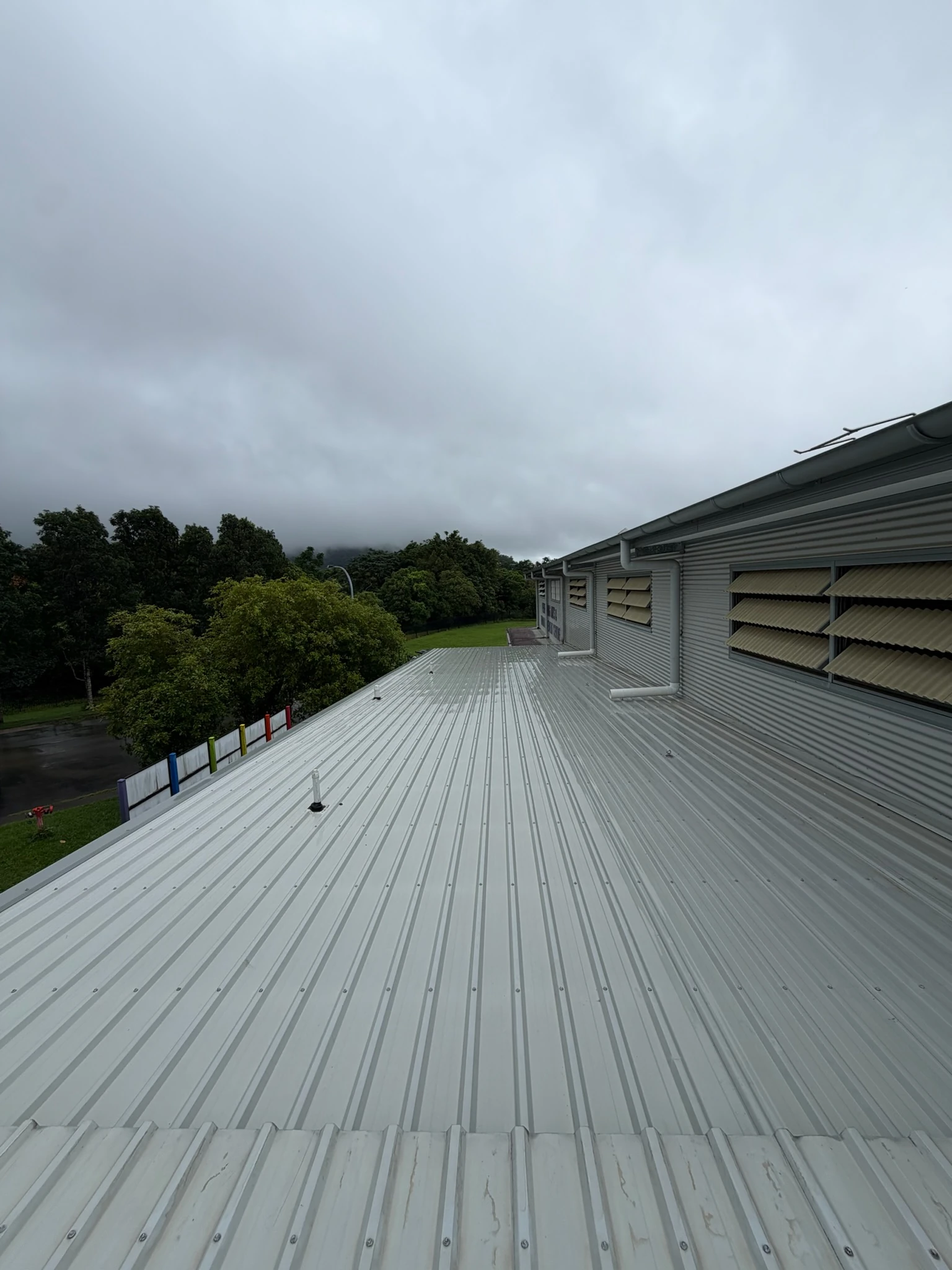
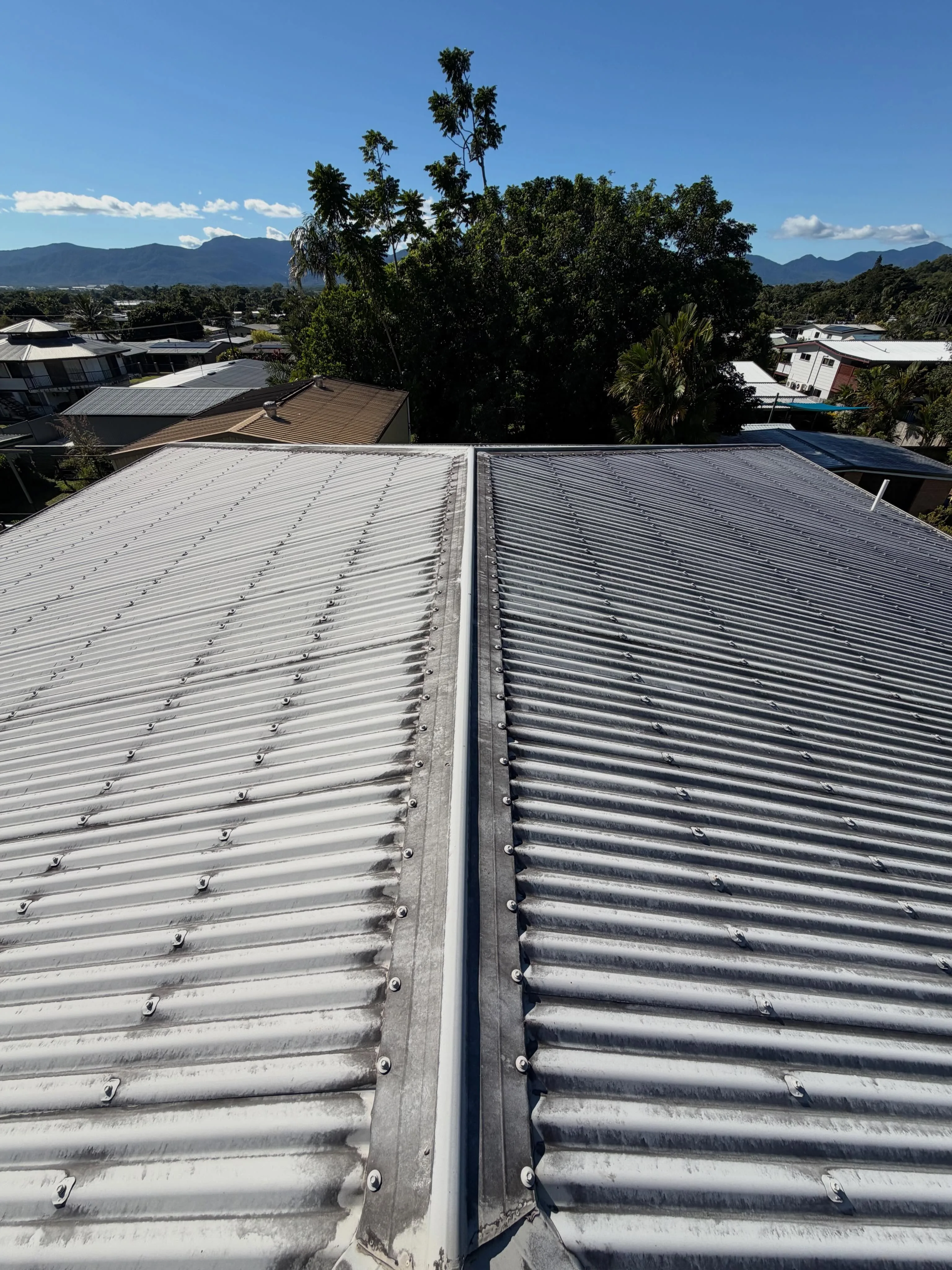
Sheeting and trim ahead of a coating, at the pressure metal actually takes.
See the pageFences, posts & structures
Timber and steel structures ahead of staining or painting.
WHERE OURPART ENDS.
Painting & coating
We prepare. Your painter paints. We are deliberately not in that business.
Sanding, filling & making good
Surface repair, gap filling and priming are the painter’s trade.
Lead paint removal
Pre-1970s coatings are a regulated removal job requiring a licensed contractor.
Full paint stripping
We remove what is failing and contaminating. Taking sound paint back to substrate is a different scope.
Rendering & repairs
Blown render, rot and cracking get photographed and handed on.
Guaranteeing a paint job
We can guarantee the surface we hand over is clean. What happens after that belongs to the coating and whoever applied it.
WHAT THEPAINTER NEEDSUS TO GET RIGHT.
Most of this work is booked by trades rather than owners, and these are the things they actually care about.
Drying time
The substrate has to be genuinely dry before coating. Scheduling the wash a sensible number of days ahead is part of the job, not an afterthought.
Existing coating condition
What is sound, what is chalking and what is already lifting — photographed so the painter knows before quoting.
Not creating new work
No feathered edges from over-aggressive stripping, and no water driven into joints that then have to dry out.
Openings & fittings
Windows, doors, vents and external fittings closed and protected before anything is applied.
Site cleanliness for the next trade
Scaffold, drop zones and access left usable rather than covered in runoff residue.
Sequence with other trades
Roof before walls, walls before glass, and all of it before the painter’s first coat.
HOW A PREPJOB RUNS.
Built around the painter’s start date, because that is the only date that matters here.
- 01
Tell us the coating date
When the painter starts is the first question, because everything else is scheduled backwards from it.
- 02
The measure
Elevations measured remotely for straightforward properties, in person for commercial or complex sites.
- 03
The quote
In writing, naming the elevations and surfaces, and confirming the handover date.
- 04
Walk-around & before photos
Coating condition documented — useful for you, and often useful for the painter’s own quote.
- 05
Treat, wash, rinse
Growth treated at the root, contamination removed, surface rinsed and left to dry.
- 06
Handover to the painter
Photo record supplied, and the surface handed over clean, sound and dry.
THE THINGSPEOPLE ACTUALLYASK.
Still not covered? Ring Blake on 0495 090 010. Enquiries are answered the same day.
Why can’t the painter just wash it themselves?
Plenty do, and plenty do it well. The difference is the treatment: rinsing a wall removes what is on the surface, while treating it kills the mould at the root so it does not grow back through the new coating. That is the failure mode we are being paid to prevent.
How long before painting should the wash happen?
Long enough that the substrate is properly dry, which depends on the material, the weather and the time of year. Tell us the painter’s start date and the wash gets scheduled backwards from it.
Will the wash strip the old paint off?
It removes what is already failing — chalking, flaking and anything not adhered — but it is not a stripping service. Sound paint stays on, because taking it off creates edges and drying delays the painter then has to deal with.
Do you work directly with painters?
Regularly, and it is often the easiest way to run it. Painters and builders book this as a scheduled prep step, and the photo record goes to whoever needs it.
What about lead paint?
Pre-1970s coatings can contain lead, and removing them is a regulated job for a licensed contractor. If we suspect it, we stop and tell you rather than wash it into your garden.
OFTEN BOOKEDAT THE SAME TIME.
FOUR TAPS.ONE NUMBER.NO PHONE CALL.
Tap what you’ve got and the estimate builds as you go. Blake measures the real thing before it becomes a fixed price, and every enquiry is answered the same day.