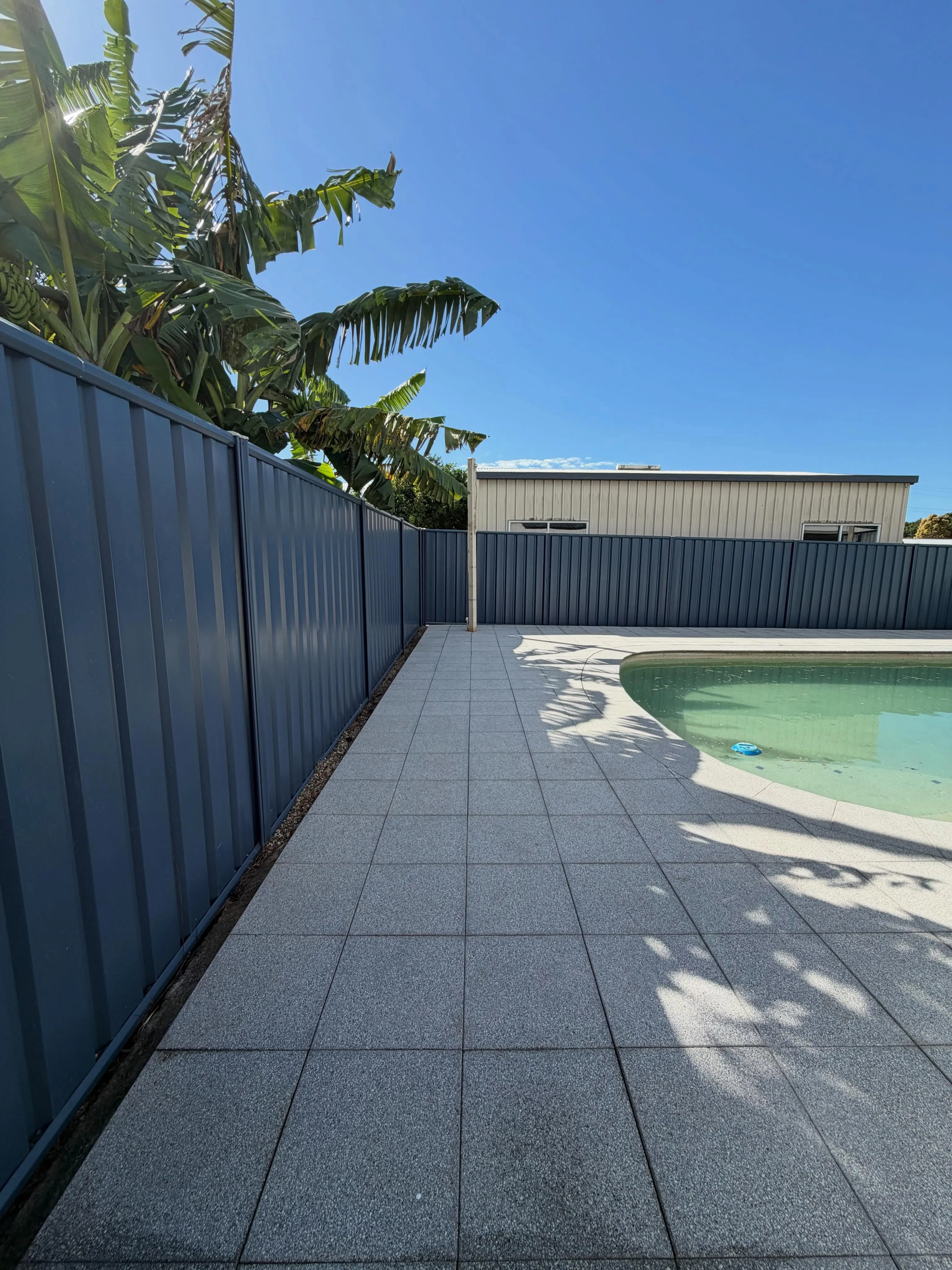
YOUR HOUSE HASSIX DIFFERENTSURFACES ON IT.THEY DON’T SHAREA SETTING.
Roof, walls, glass, solar, driveway, deck. One property, one visit, and a different pressure and chemistry for every one of them.
THE CLIMATE HEREIS THE WHOLEPROBLEM.
Far North Queensland does something to a house that a house in Brisbane never has to deal with. Humidity that barely drops overnight, a wet season that keeps every surface damp for months, and enough warmth year-round that nothing ever gets a chance to properly dry out and die off.
So the growth isn’t a sign that you’ve neglected the place. It is what happens to every property up here, on a schedule. Roofs streak black. Render goes green on the shaded side. Pool surrounds turn slick. Solar output drifts down without anything announcing it. Left alone it moves from cosmetic to structural — mould works into coatings, gutters hold water against fascia, and the repairs cost multiples of the cleans that would have prevented them.
A clean generally holds about six months up here before growth starts to return. Two visits a year — one before the wet season and one after — keeps a property ahead of it permanently, and that is a far cheaper conversation than the one that starts with a painter.
THERE IS A RIGHTORDER TO CLEANA HOUSE IN.
Book the driveway on Tuesday and the roof on Friday and you have paid twice for the driveway. Everything runs downhill, so the whole property gets done top to bottom in one visit — and priced as one job.
- 01
Gutters first
Cleared while the height access is going up anyway, so they have somewhere clean to take what comes next.
- 02
Then the roof
Everything on a roof runs downhill, straight into gutters that are already clear and ready for it.
- 03
Then the walls
Soft-washed under 300 PSI once nothing above them is going to shed onto them again.
- 04
Glass and solar last
Pure water, no detergent, nothing left to streak. Any earlier and it all gets undone.
- 05
Ground level to finish
Driveway, paths and the entertaining area, once all the runoff from above has already happened.
PICK ONE, ORPICK THE LOT.
Each page tells you what the job covers, what it honestly doesn’t, and what gets checked before anything is switched on.
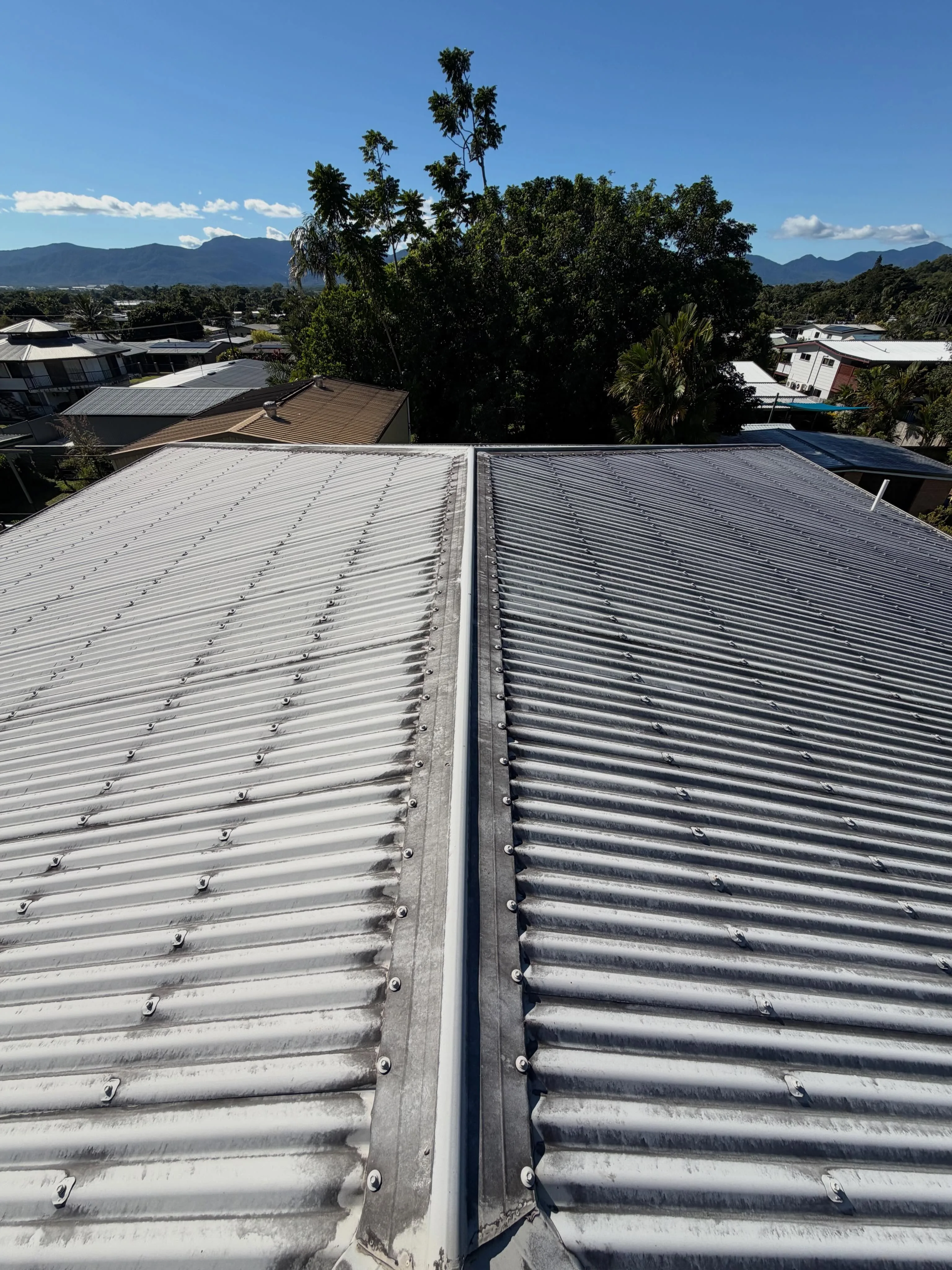
Roof cleaning
A dirty roof in this climate is a chemistry problem, not a pressure problem. We treat the growth at the root at low pressure, so the coating that protects the roof is still there once the mould is gone.
Read the page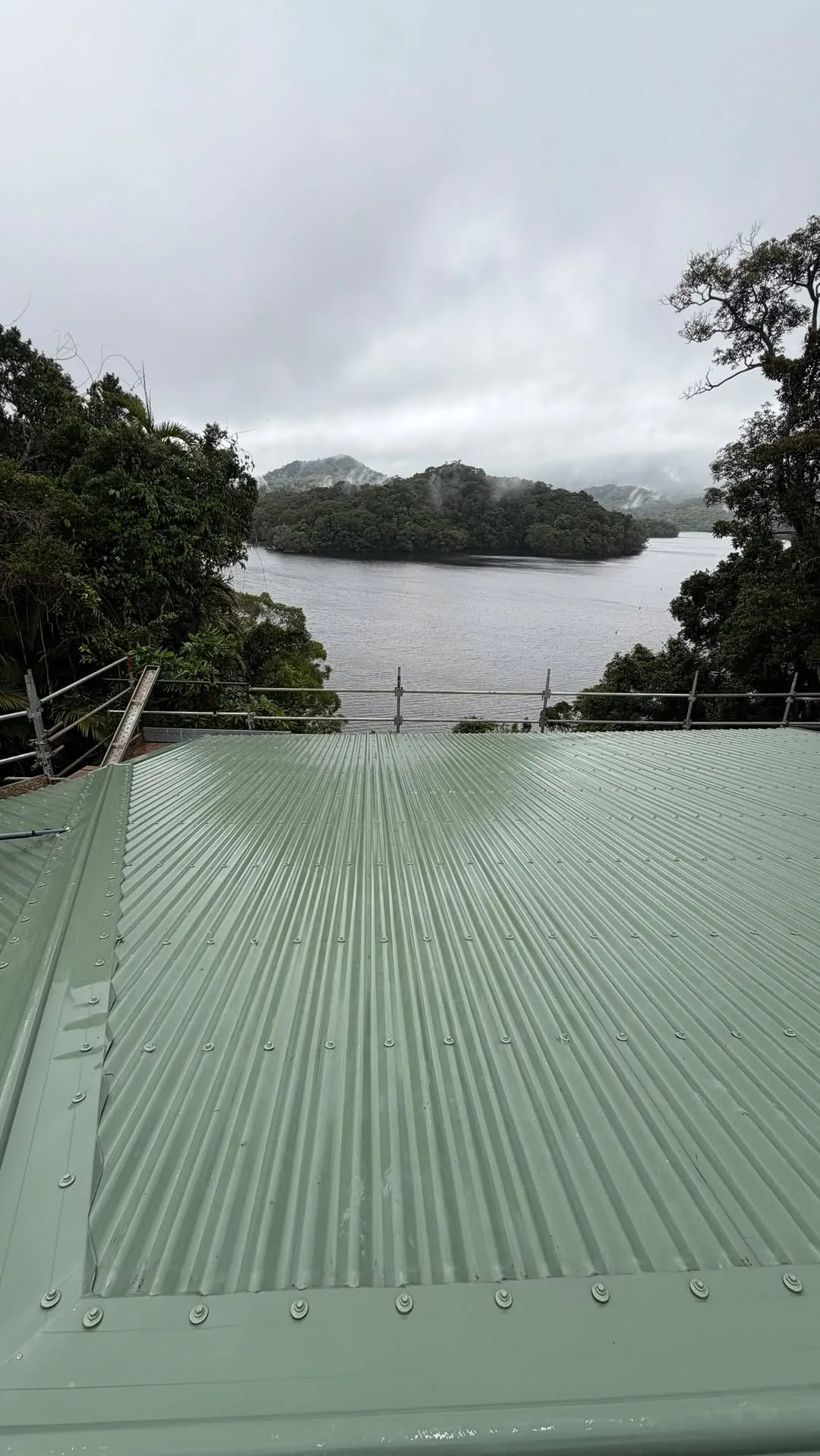
Gutter cleaning
Blocked gutters are the cheapest problem on your property to fix and one of the most expensive to ignore. We vacuum the sludge out and flush every downpipe, so the rain has somewhere to go.
Read the page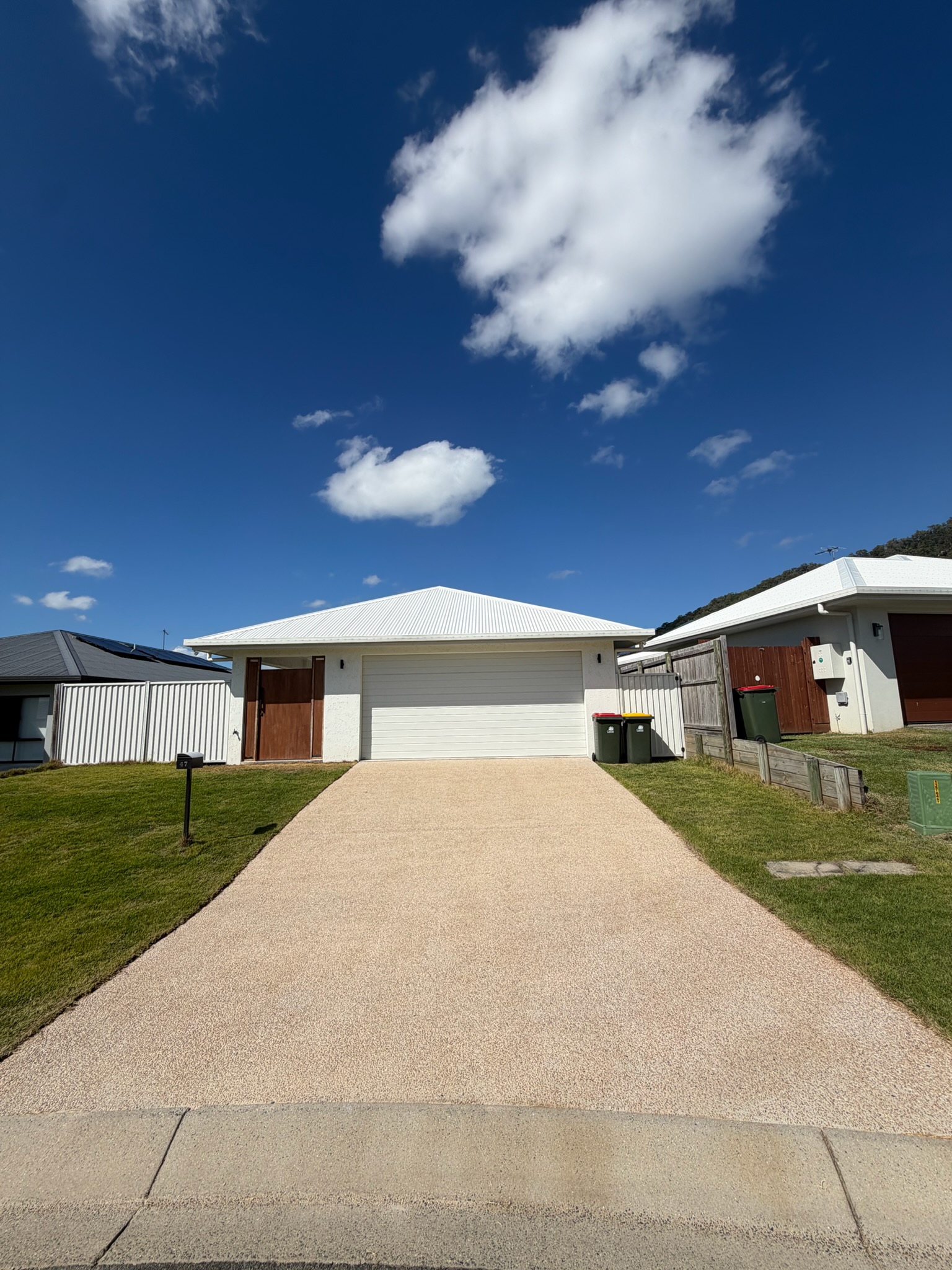
House washing
Walls get washed under low pressure with surfactants that cling long enough to do the work. The dirt comes off. The paint, the render and the water-tightness of your cladding all stay where they are.
Read the page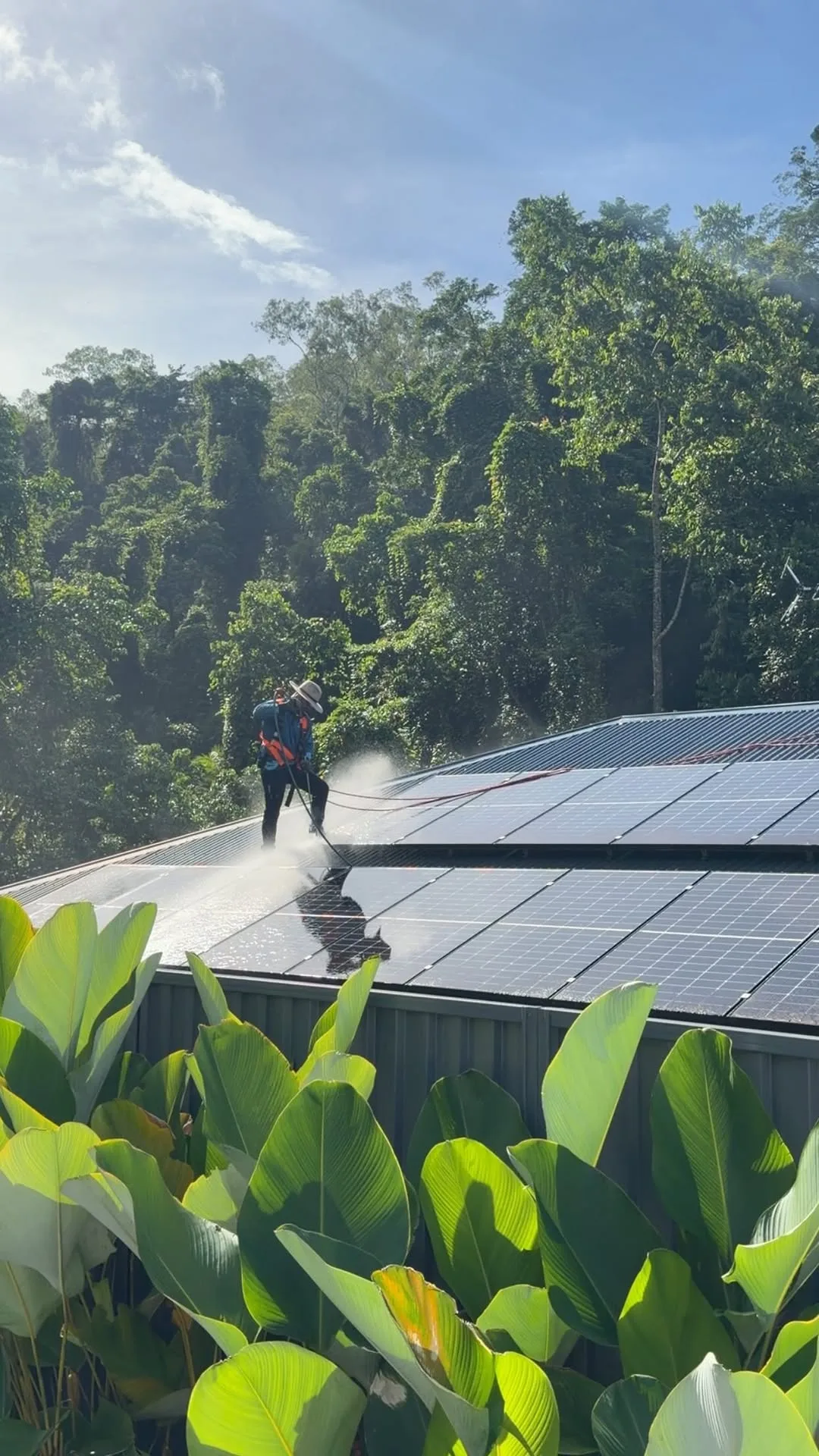
Solar panel cleaning
Dust, salt haze and bird droppings sit on solar glass like an insulating blanket. Washed off with pure de-ionised water and nothing else, so there is no film left behind to attract the next layer.
Read the page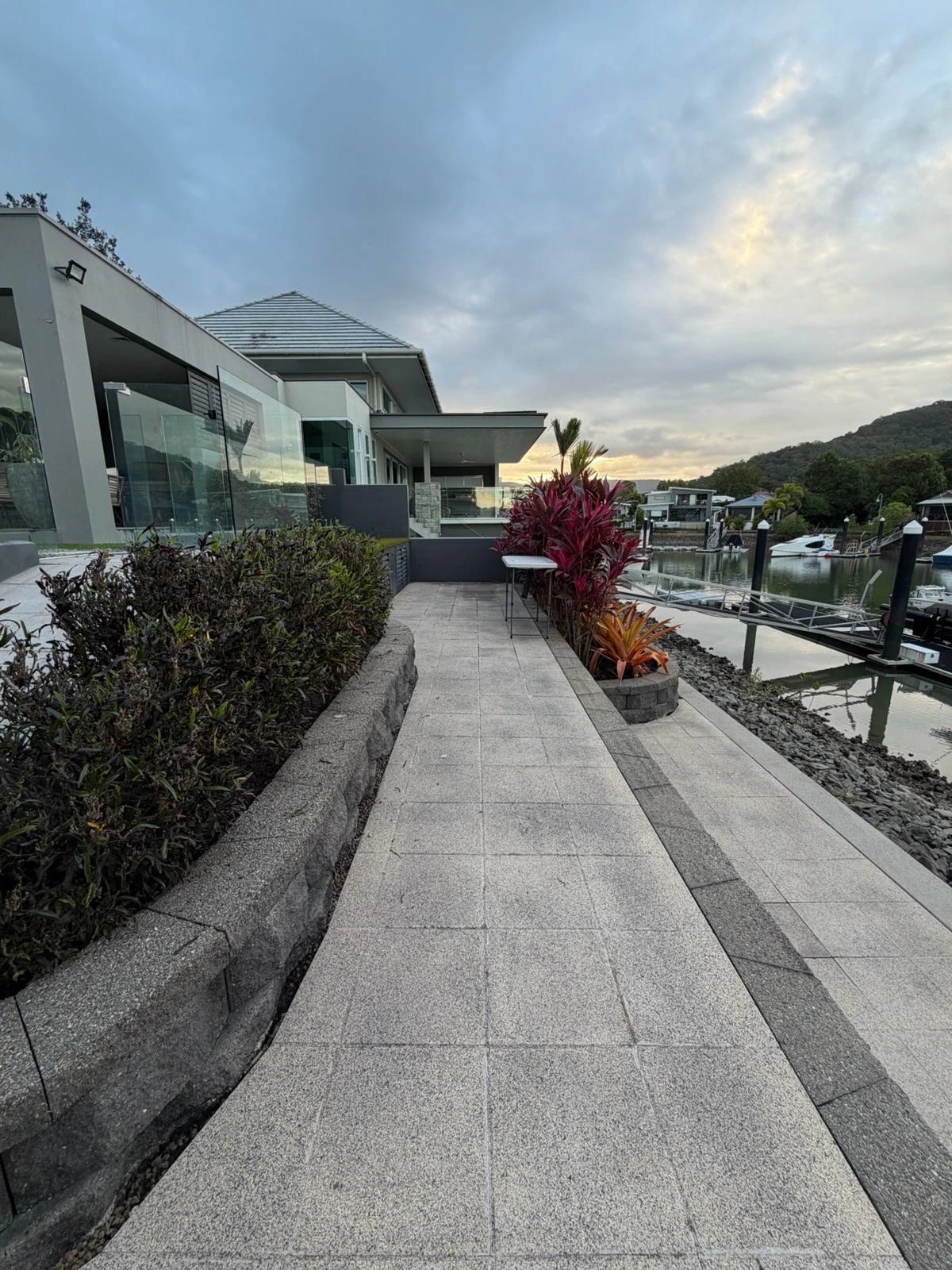
Window cleaning
De-ionised water has the minerals stripped out of it, which is what causes streaking in the first place. Fed through carbon-fibre poles, it cleans the glass and dries spot-free on its own.
Read the page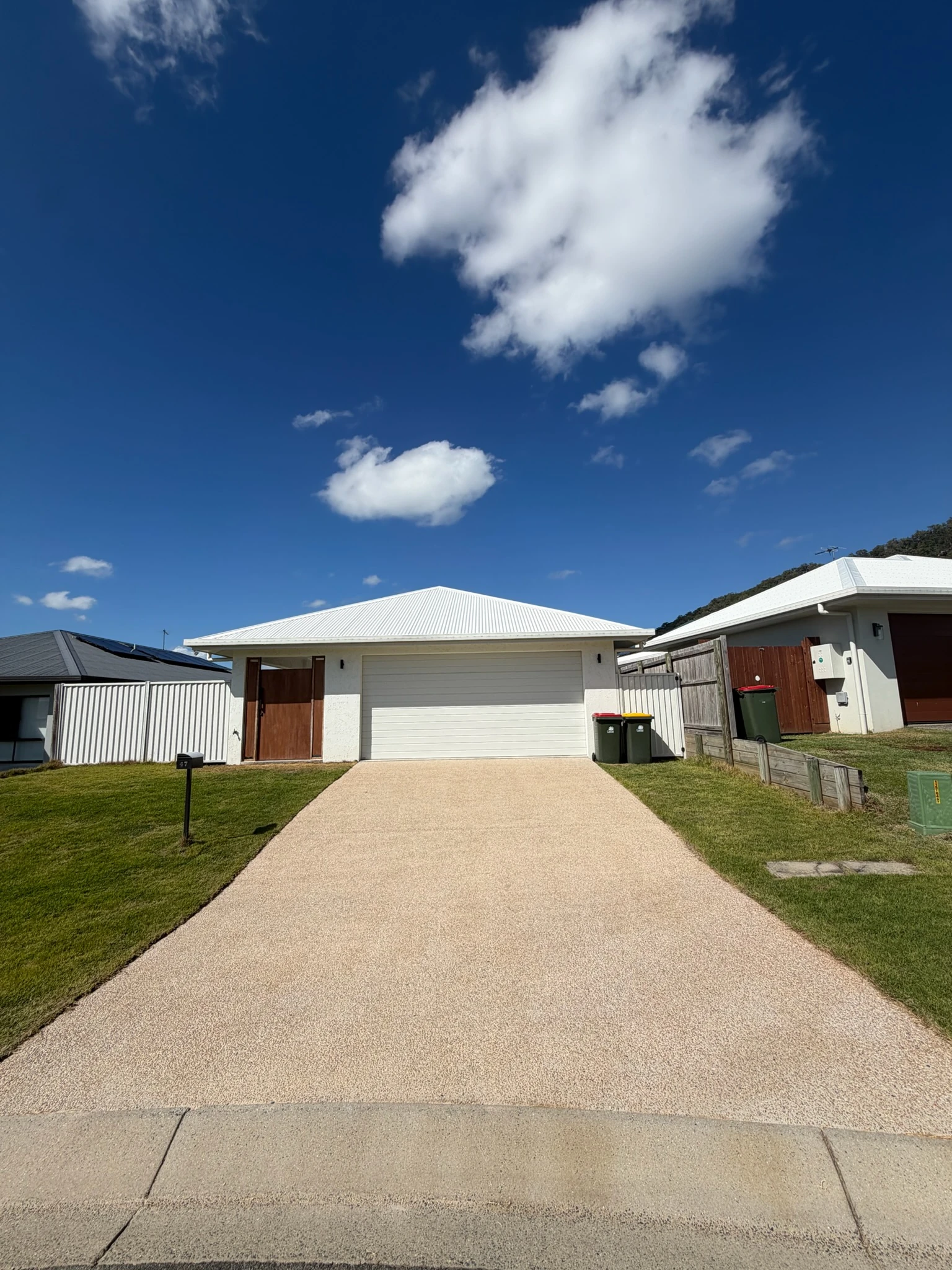
Driveways & concrete
Flat concrete is the exception to everything else on this site. Here the pressure goes up, the rotary head goes on, and the years of oil, moss and ground-in grime come off in one even pass.
Read the page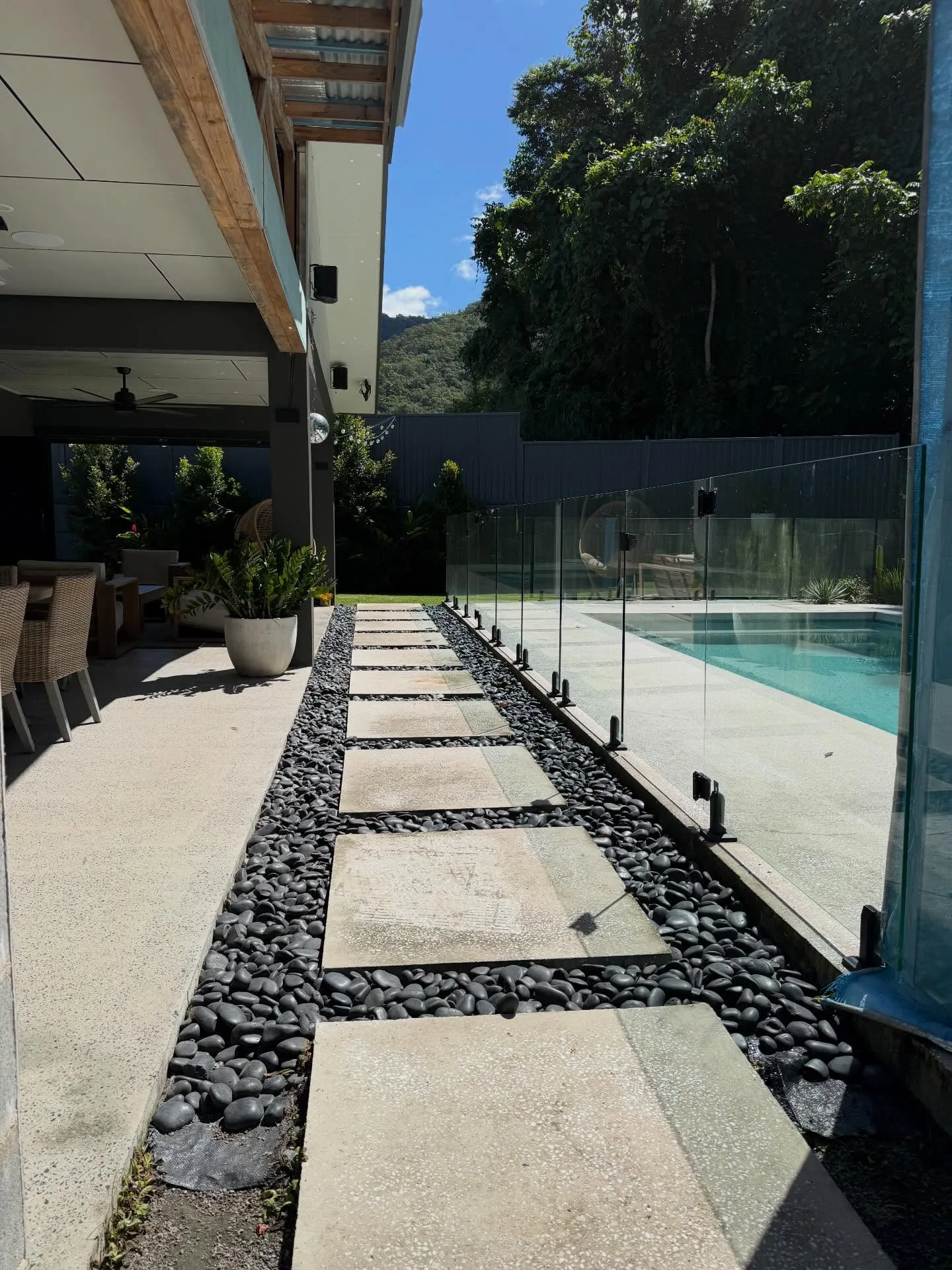
Patios & decks
Sandstone, travertine, timber and pavers all fail differently under too much pressure. Each one gets the setting it can take, and the slick green film that makes them dangerous comes off either way.
Read the page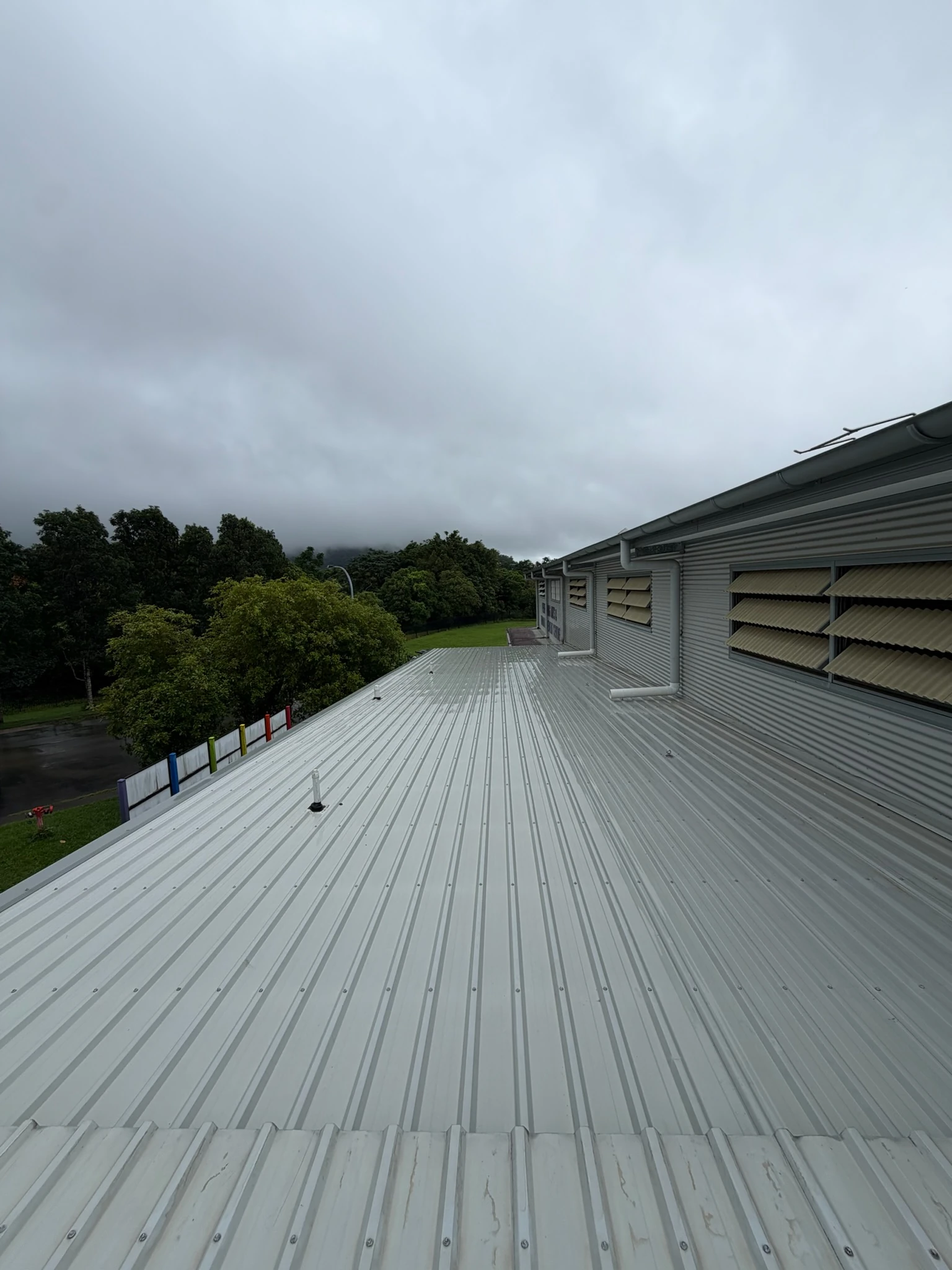
Pre-paint preparation
A coating can only bond to what it touches. We strip off the chalking, mould spores, salt and grease first, so the paint your painter applies is stuck to the substrate and not to the dirt.
Read the pageFOUR TAPS.ONE NUMBER.NO PHONE CALL.
Nobody knows their own roof area, so we don’t ask. Tap what you’ve got and the estimate builds as you go — then Blake measures the real thing before it becomes a fixed price.