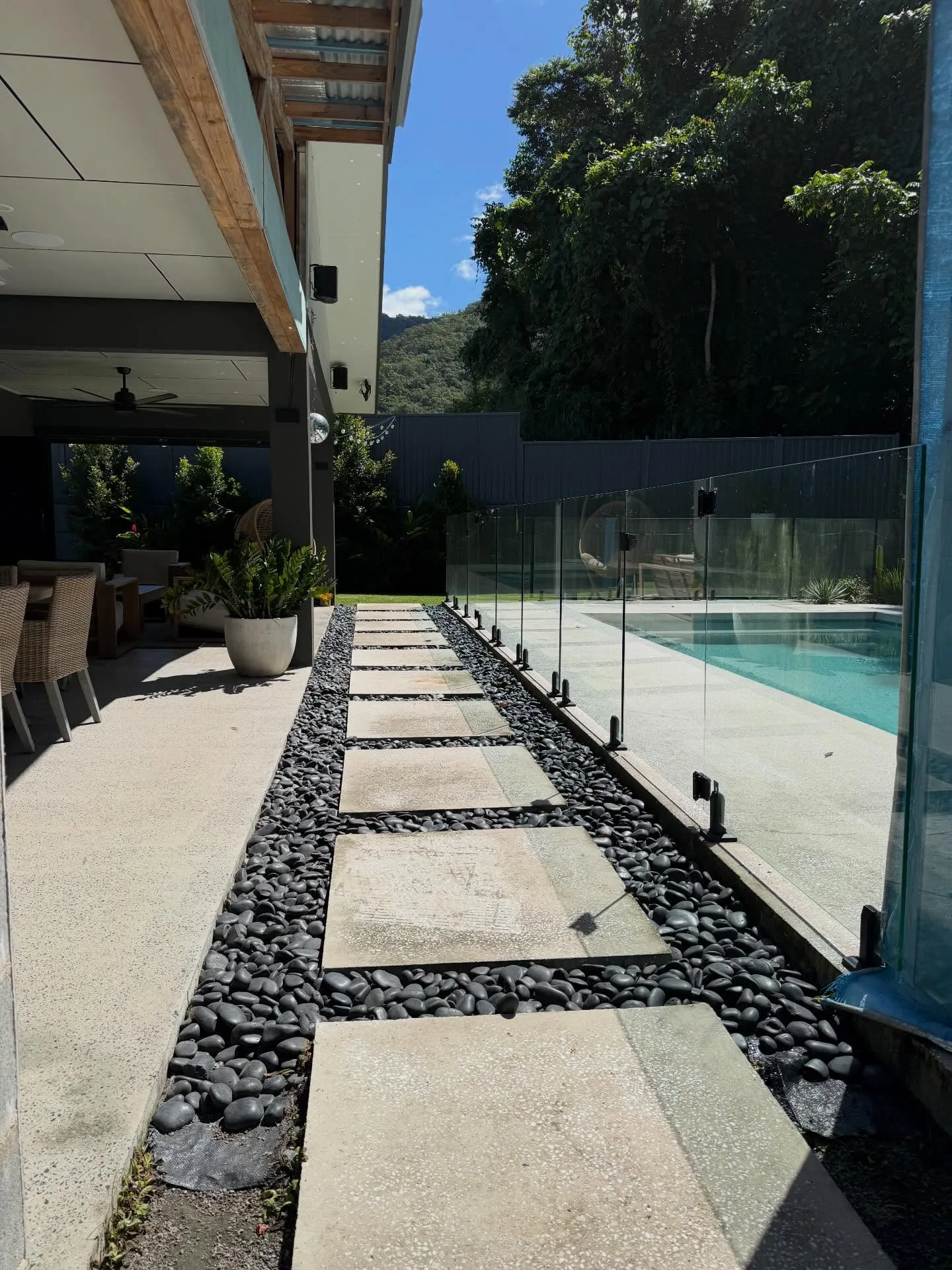
THE LAST JOBBEFORE THEWATER GOES IN.
Plaster haze, mineral scaling and construction dust have to come off a new or resurfaced pool before it is filled. We acid wash the interior, clear the debris and hand it back neutralised.
A NEW POOLISN’T CLEAN.IT’S JUST NEW.
After plastering, rendering or a resurface, the interior of a pool carries a fine mineral haze left behind as the finish cures, along with construction dust, cement residue and whatever else has found its way in while the site was open. Fill it in that condition and all of it goes into the water — which means a cloudy pool, chemistry that will not balance, and a filter working overtime from day one.
An acid wash strips that layer off and takes the surface back to the finish underneath it. It is the difference between a pool that comes up clear in a day and one that fights its owner for a fortnight.
It is precise work with a genuinely hazardous product, which is the real reason it is a specialist call rather than a Saturday job. Dilution, dwell, sequence and neutralisation all have to be right, the interior has to be handed over chemically neutral, and the waste has to be dealt with properly rather than tipped down the nearest drain.
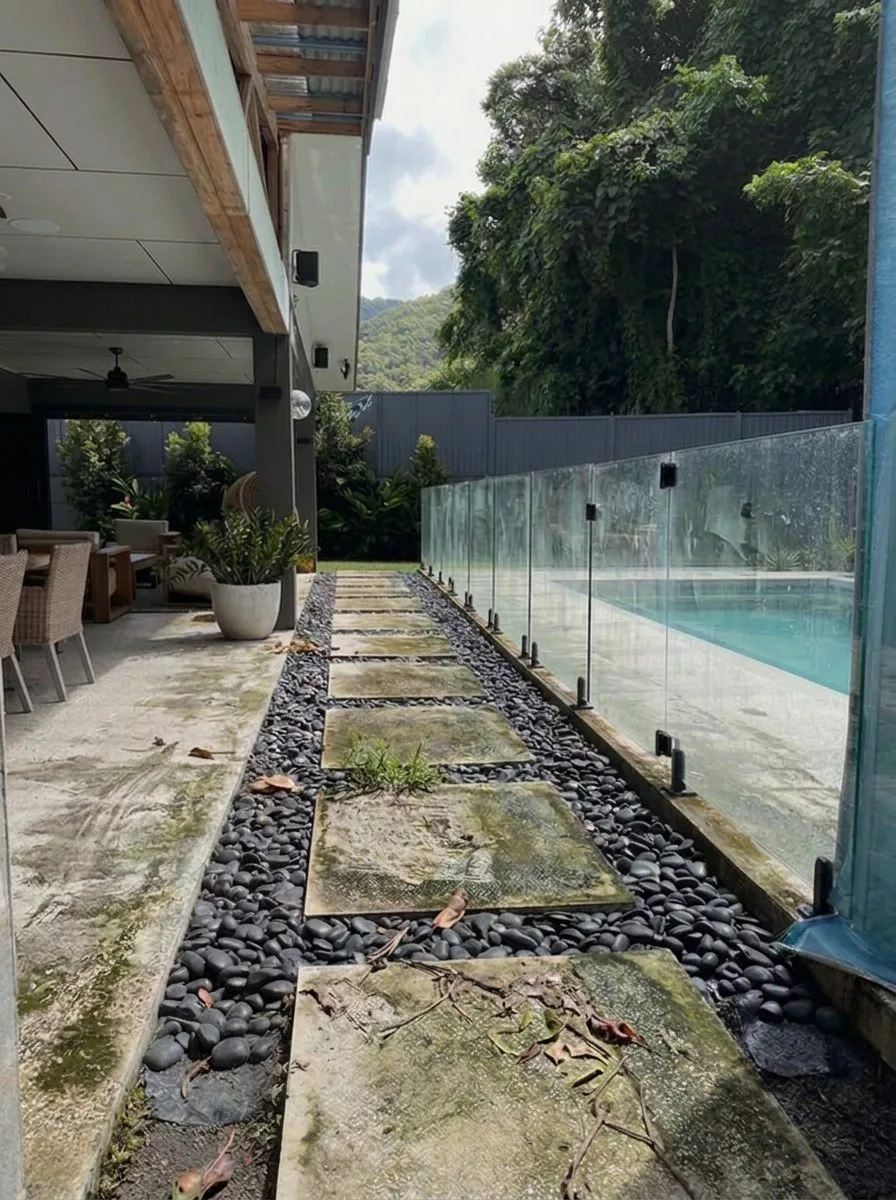
CONTAINED,NEUTRALISED,AND HANDEDBACK CLEAN.
The interior is prepared and wetted down first, the wash is worked in controlled sections so no area is left dwelling longer than it should, and the surface is neutralised immediately afterwards rather than left to be someone else’s problem.
Spent solution is contained and neutralised as part of the job. It does not go into the stormwater system, and it does not go into your garden.
- For
- New builds, resurfaces and renovations
- Removes
- Plaster haze, scaling, cement residue
- Handover
- Neutralised and ready to fill
- Waste
- Contained and neutralised, not drained to stormwater
- Also for
- Pool builders and landscapers, not only owners
- Surrounds
- Coping and decking cleaned in the same visit
WHAT THE POOLJOB COVERS.
Post-build acid wash
New pools, washed and neutralised ready for the first fill.
Post-renovation & resurface
After replastering or a new interior finish, where the same haze appears.
Mineral scaling & waterline
Calcium and mineral banding on an empty pool interior.
Construction debris clear-out
Dust, render splatter and site debris removed before filling.
Trade work for builders
Regularly engaged by pool builders and landscapers as the final step before handover.
WHAT’S NOTOURS.
Pool water & chemistry
Balancing, dosing and ongoing water care belong to your pool contractor.
Pumps, filters & plumbing
Equipment and pool plumbing are a licensed trade. We work on the shell.
Draining a full pool
The pool needs to be empty for this work. Emptying and any structural considerations are your pool professional’s call.
Resurfacing & repairs
Cracks, delamination and failing interiors get photographed and handed back, not repaired.
Regular pool servicing
This is a one-off preparation job, not a maintenance contract.
Fibreglass interiors
Acid washing suits plaster and rendered interiors. Fibreglass and vinyl are a different conversation — ask before you book.
WHAT HAS TO BETRUE BEFOREWE START.
Short list, but every item on it is a genuine prerequisite rather than a preference.
The pool must be empty
And it needs to stay empty for the duration. Coordinate this with your pool contractor first.
Interior type confirmed
Plaster, render, pebble or fibreglass — the finish decides whether this is the right method at all.
Waste containment
Where spent solution is contained and neutralised, agreed before anything is mixed.
Access for equipment
Getting gear to a pool through a finished landscape is often the hardest part of the day.
Site safety
An empty pool and a hazardous product together mean exclusion zones, and no children or pets on site while we work.
Fill timing
Best filled promptly after neutralising. Worth having the water booked before we arrive.
HOW A POOLWASH RUNS.
Usually booked by a builder, occasionally by an owner, always at the very end of a project.
- 01
Tell us about the pool
Size, interior finish, whether it is a new build or a resurface, and when it needs to be ready.
- 02
Site visit
Pool work gets looked at in person. Access and containment are not things imagery can answer.
- 03
The quote
In writing, naming the interior, the surrounds and the handover condition.
- 04
Preparation & before photos
Exclusion zone set, containment arranged, interior condition photographed.
- 05
Wash & neutralise
Worked in controlled sections, then neutralised and rinsed. Waste contained and dealt with properly.
- 06
Handover & after photos
Interior handed back neutral and ready to fill, with the photo record for your file.
THE THINGSPEOPLE ACTUALLYASK.
Still not covered? Ring Blake on 0495 090 010. Enquiries are answered the same day.
When does a pool need an acid wash?
Most commonly right at the end of a build or a resurface, once the interior has cured and before the first fill. It is also used on an empty pool carrying heavy mineral scaling or a stained waterline.
Do I need to empty the pool first?
Yes — the pool has to be empty and stay empty while the work is done. Draining and any structural considerations around an empty shell are a call for your pool contractor, so coordinate that first.
Is it safe for the pool surface?
On plaster and rendered interiors it is a standard part of the build sequence when it is done correctly — controlled dilution, controlled dwell, and neutralised straight afterwards. Fibreglass and vinyl interiors are a different question, so tell us what yours is before you book.
Where does the acid go afterwards?
Spent solution is contained and neutralised as part of the job. It does not go into stormwater and it does not go into the garden.
Do you work for pool builders?
Regularly. Builders and landscapers use this as the last step before handover, so the pool their client sees for the first time is genuinely finished.
OFTEN BOOKEDAT THE SAME TIME.
FOUR TAPS.ONE NUMBER.NO PHONE CALL.
Tap what you’ve got and the estimate builds as you go. Blake measures the real thing before it becomes a fixed price, and every enquiry is answered the same day.